What If Your Family Photos Could Help You Eat Better?
Imagine flipping through photos of your last family gathering—laughter, food, love—and realizing those moments could quietly guide healthier eating habits. What if the memories you cherish most could also support your well-being? That’s not science fiction. Today’s family photo album apps do more than preserve moments; they can gently help manage diets, inspire mindful choices, and connect generations through shared stories and meals. It’s not about strict rules or calorie counting. It’s about using the warmth of your family life to make better food choices feel natural, joyful, and deeply personal.
The Hidden Power of Family Photos
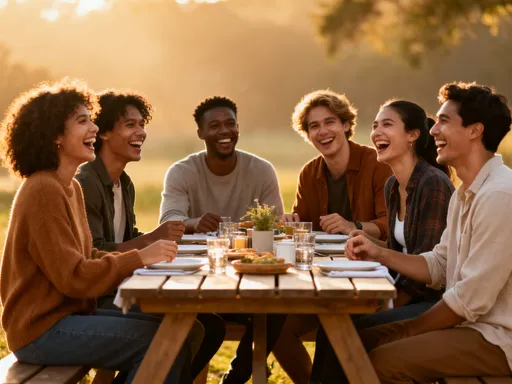
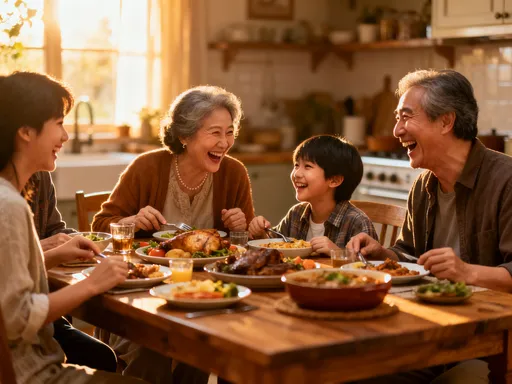
Think about the last time you scrolled through your phone and stumbled upon a photo of your family around the dinner table. Maybe it was Thanksgiving, or a simple Sunday supper. The table was full, the candles were lit, and someone was mid-laugh with a spoon in hand. You smiled, right? But look again. That image holds more than joy—it holds clues. What’s on the plates? How much food is there? Who’s reaching for seconds? These snapshots capture not just faces, but food patterns, emotional connections, and family rhythms.
We often overlook how deeply food and memory are tied. The smell of roasting chicken might bring you back to your mother’s kitchen. A slice of apple pie could remind you of your grandmother’s hands dusting flour on the counter. These aren’t just sensory memories—they shape how we eat today. When we see a photo of a holiday feast, we don’t just remember the meal; we remember how we felt: full, happy, connected. But we might also notice, with gentle hindsight, that we felt sluggish afterward. Or that the kids were cranky by bedtime. That awareness, sparked by a simple image, is the first step toward change.
Family photos act like mirrors. They reflect our routines without judgment. When you look at a series of pictures from family dinners over the past year, you might start to see patterns: big portions on weekends, more vegetables in summer, more comfort food during cold months. You might notice that the days with fruit on the table are the ones where everyone seems more energetic. These observations aren’t forced. They emerge naturally, like a story unfolding. And because they come from your own life, they feel real, not like some diet plan handed down from an expert you’ve never met.
There’s something powerful about seeing your life in pictures. It makes abstract ideas—like ‘eating healthier’—feel concrete. You’re not trying to follow a trend. You’re remembering who you are and what matters to your family. And when health advice comes from your own memories, it sticks. It’s not about shame or guilt. It’s about love, care, and the desire to feel good together. That’s why family photos aren’t just keepsakes. They’re tools—quiet, gentle, but surprisingly effective.
From Snapshots to Smart Support
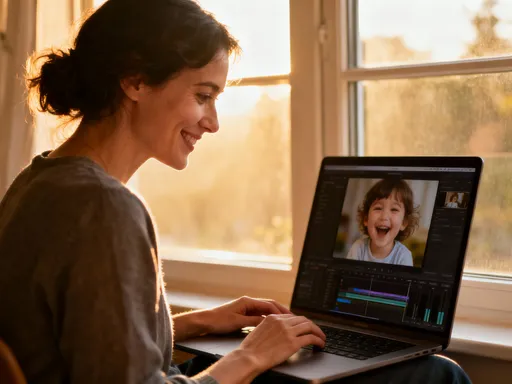
Now imagine if your phone could help you see those patterns more clearly—not by nagging you, but by organizing your memories in a way that makes sense. That’s exactly what modern family photo album apps are starting to do. These aren’t just digital scrapbooks. They’re smart, intuitive tools that use gentle AI to sort your photos by people, places, and yes—even meals. You don’t have to tag anything manually. Just let the app do its thing in the background, and over time, it learns what matters to you.
Let’s say you take a lot of pictures during weekend breakfasts. The app starts to recognize the table, the light, the kids in their pajamas, the pancakes on the plate. It groups those images together under “Weekend Mornings” or “Family Brunch.” Over time, you can scroll through a timeline of meals and see how your eating habits shift with the seasons, moods, or routines. No spreadsheets. No tracking apps that make you feel like a lab subject. Just your life, organized in a way that feels familiar and warm.
Some apps can even recognize common foods—like broccoli, pasta, or grilled chicken—and gently highlight them. Not to judge, but to help you notice. Imagine getting a quiet notification: “You’ve shared 12 meals with tomatoes this month—great source of lycopene!” Or seeing a collage of summer meals rich in colorful vegetables. It’s not about perfection. It’s about awareness. And the best part? These apps are designed for families. You can invite your spouse, your parents, even your teens to join a shared album. Everyone adds photos, everyone sees the patterns, and everyone benefits.
Privacy is a big concern, and rightly so. These apps don’t sell your data or post anything online. They keep your memories safe within your family circle. You control who sees what. And the AI works locally on your device whenever possible, so your photos aren’t floating around in some distant server. It’s technology that respects your boundaries, your values, and your need for peace of mind. This isn’t about living in the cloud. It’s about using smart tools to deepen real-life connections.
Turning Memories into Mindful Eating Cues
Have you ever looked at a photo and suddenly remembered exactly how you felt that day? Maybe it was a picnic in the park, and you see your daughter running through the grass after eating a sandwich packed with whole grain bread and apple slices. She’s full of energy, laughing, climbing the jungle gym. Now compare that to a photo from a birthday party—cake, candy, juice boxes—and she’s curled up on the couch an hour later, rubbing her stomach. Without saying a word, the images tell a story.
This is where photo reflection becomes a form of mindful eating. Instead of tracking calories or weighing portions, you’re using visual cues to tune into your body’s signals. You’re asking, “How did we feel after that meal?” and letting the photos help you answer. A mom in Ohio told me she started noticing this with her son. She’d take pictures of his school lunches and later snap a quick shot when he got home. Over time, she saw a pattern: on days with more protein and less sugar, he was more focused and less irritable. She didn’t change his diet overnight. She just started adding a boiled egg or a handful of nuts to his lunchbox. Small shift. Big impact.
When you review meal photos with your family, it opens up conversations. “Remember how good that grilled salmon tasted?” “Why do you think we all slept so well after Grandma’s stew?” These aren’t lectures. They’re shared discoveries. And because they come from your own experiences, they feel authentic. Kids especially respond to this. They don’t want rules. They want stories. And when healthy eating becomes part of your family’s story, it sticks.
Think of it like a family journal—but visual. Instead of writing down what you ate, you’re seeing it, remembering it, and learning from it. And because it’s tied to love and connection, it doesn’t feel like a chore. It feels like being together. That’s the beauty of this approach: it replaces guilt with curiosity, pressure with presence. You’re not trying to be perfect. You’re trying to be aware. And awareness, gently nurtured, leads to change.
Bridging Generations Through Food Stories
One of the most beautiful things about food is how it carries tradition. My friend Maria recently showed her eight-year-old daughter a photo from 1978—her own mother, Maria’s grandmother, standing in a sunlit kitchen with a basket of fresh tomatoes. “We grew these in the backyard,” she said. “No supermarkets, no plastic wrap. Just dirt, sun, and love.” Her daughter stared at the photo, then asked, “Can we grow tomatoes too?”
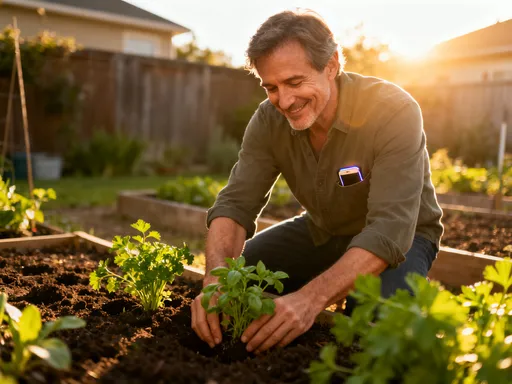
That moment wasn’t just about gardening. It was about connection. It was about passing down values—seasonal eating, home cooking, respect for food—not through lectures, but through stories. And the photo made it real. Today, Maria and her daughter have a small planter on their balcony. They take pictures of each new sprout, each ripe tomato, and add them to their family album. The app automatically groups them under “Garden 2024,” and every time they look back, they feel proud.
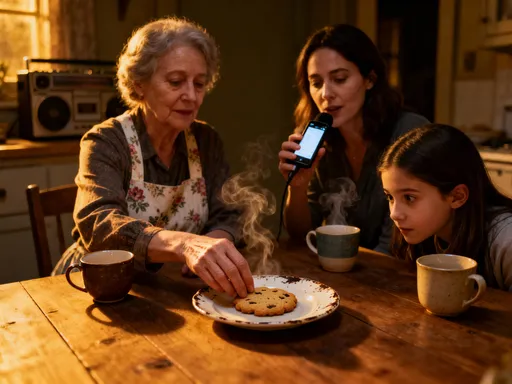
This is how healthy habits take root—not from fear or restriction, but from love and legacy. When grandparents share old photos of canning jars, home-baked bread, or Sunday roasts, they’re not just reminiscing. They’re teaching. They’re showing that food was once slower, fresher, more intentional. And when kids see that, they start to value it too. You don’t have to live in the past. But you can borrow its wisdom.
Some families use these photo albums to create “food timelines.” They pick a dish—like apple pie—and collect photos of it through the generations. There’s Great-Aunt Clara’s version from the 1950s, Mom’s from the 90s, and now the kids’ attempt with whole wheat crust. As they scroll, they talk: “Why did we use less sugar back then?” “What made the crust flakier?” It becomes a living lesson in nutrition, history, and family identity—all sparked by pictures.
Creating Shared Projects That Nourish Body and Soul
Here’s a fun idea: what if your family started a “Throwback Thursday Meal” tradition? Every Thursday, you pick a favorite photo from the past—a holiday dinner, a summer barbecue, a cozy winter soup night—and recreate the meal together. Not perfectly. Not exactly. But with love. You look at the photo, laugh at the old hairstyles, then head to the kitchen to bring that moment back to life.
This isn’t just about food. It’s about ritual. It’s about making time for each other. And because you’re revisiting a memory, there’s built-in joy. No pressure to invent new recipes. No stress about what to cook. You already know it’s a winner—because you’ve lived it. Plus, you can tweak it to be healthier: more veggies, less butter, whole grains. The memory stays the same. The nourishment gets better.
Another idea: build a “Memory Cookbook.” Use your photo app to tag all the meals you love—“Aunt Linda’s Lentil Soup,” “Dad’s Grilled Corn,” “Birthday Pancakes.” Then, once a year, export those images into a printed book. Add short notes: “We ate this after the beach trip,” “The kids were covered in sand but so happy.” Give copies to grandparents. Keep one for your child. It becomes a treasure—a record of love, flavor, and togetherness.
Some families set gentle wellness goals together. “This month, let’s take 10 photos of meals with three colors on the plate.” Or, “Let’s try one new vegetable each week and snap a picture.” The app becomes a shared journal of progress, not perfection. And because it’s visual, it’s motivating. You see the variety grow. You feel the momentum. And when you look back at the end of the month, you’re not just proud of your eating habits—you’re proud of your connection.
Privacy, Simplicity, and Peace of Mind
I know what you might be thinking: “Isn’t this just more screen time? More tech in my family life?” And that’s a fair question. We don’t want to replace real moments with digital ones. But these tools aren’t meant to take over. They’re meant to enhance. Think of them like a family photo album that helps you learn, connect, and grow—without adding stress.
The best apps are simple. You don’t need to spend hours tagging or organizing. The AI does the heavy lifting. You just live your life and snap pictures—like you already do. The app quietly sorts, groups, and highlights what matters. And because it’s designed for families, it encourages sharing, not isolation. You’re not staring at your phone alone. You’re passing it around the table, laughing at old pics, planning the next meal.
Privacy is built in. These apps don’t post to social media. They don’t analyze your data for ads. They’re private by design. You decide who joins your family group. You can remove photos anytime. And many apps let you control how much AI is involved—turn it off if you prefer a simpler, manual approach. This isn’t about surveillance. It’s about support.
And let’s be honest: we’re already taking photos of our food. Whether it’s a beautiful salad or the kids’ messy pancakes, we document our lives. Why not let those images serve a deeper purpose? Instead of just scrolling and forgetting, we can use them to reflect, connect, and make better choices—together. That’s not more tech. That’s smarter love.
A Life Where Love and Health Grow Together
At the end of the day, we don’t want to just live longer. We want to live better. We want to feel good in our bodies, present in our moments, connected to our people. And so much of that starts at the table. Meals are where we talk, laugh, argue, forgive, celebrate. They’re where we pass down love, one bite at a time.
Technology doesn’t have to be cold or complicated. When it’s rooted in real life, it can help us care for each other more deeply. Your family photos aren’t just memories. They’re a mirror, a teacher, a bridge. They can show you patterns, spark conversations, and inspire small, meaningful changes. You don’t need a diet plan. You need a story. And you already have one.
So next time you’re scrolling through your phone, don’t just smile and move on. Pause. Look closer. What does that photo tell you about how you eat, how you feel, how you love? Let it guide you—not with rules, but with warmth. Open your photo album not just to remember, but to thrive. Because the best health advice might not come from an expert. It might come from your own life, your own kitchen, your own family. And that’s a voice worth listening to.