Overwhelmed by group plans? This tool finally got our friend hangouts under control
You know that chaotic group chat where everyone suggests a different weekend plan, no one commits, and half the group shows up late—or not at all? I’ve been there too. It wasn’t just frustrating—it was making us see each other less. Then we tried a simple task tool that changed everything. Suddenly, plans got clearer, replies came faster, and our meetups actually happened. No more confusion, no more ghosting—just good times, finally organized. What started as a small experiment to stop the madness of endless texts turned into something deeper: a way to protect the friendships we value most. And honestly? It felt like we got our joy back.
The Messy Reality of Planning with Friends
Let’s be real—planning something as simple as a brunch or a weekend hike with friends shouldn’t feel like solving a puzzle. But if you’ve ever been in one of those group chats where six people suggest six different days, two promise to book a table and then forget, and someone shows up with guacamole while everyone else brought chips, you know the frustration. I remember one Saturday when we were supposed to meet at a lakeside park. Three of us arrived early, ready to set up, only to realize no one had confirmed the picnic permit. Two others never responded to the last few messages. We ended up sitting on the grass, eating store-bought sandwiches, and laughing through our annoyance. But beneath the jokes was a quiet sadness. We were trying so hard just to be together, and yet it felt like the effort was pushing us apart.
That moment hit me: the chaos wasn’t just inconvenient—it was eroding our connection. When organizing a hangout takes more energy than the hangout itself, people start opting out. Not because they don’t care, but because they’re emotionally drained. The mental load of tracking replies, chasing down confirmations, and guessing who’s doing what falls unevenly—usually on one or two people who end up feeling like unpaid event planners. And over time, even the most enthusiastic friends start ghosting the chat, not out of disrespect, but self-preservation. I saw it happen with my own group. We used to meet every month without fail. Then it became every other month. Then we’d go months without seeing each other at all. The distance wasn’t about growing apart—it was about the process of coming together feeling too heavy.
What made it worse was how unfair it felt. Some of us were naturally more organized, so we defaulted into taking charge. Others, who wanted to help but didn’t know how, stayed quiet. The result? Resentment built quietly on one side, guilt on the other. We weren’t just failing at planning—we were accidentally creating imbalance in our friendships. And that’s when I realized: we didn’t need more free time or better intentions. We needed a better system—one that made it easy for everyone to contribute, not just the ‘responsible’ one.
Why Traditional Tools Fall Short
We’ve all relied on the usual suspects: group texts, social media DMs, voice notes, or even good old phone calls. And sure, they’re great for sharing memes, sending quick updates, or saying “OMG I’m running 10 minutes late!” But when it comes to actually organizing something—setting a date, confirming a venue, assigning who brings what—they fall completely short. Text threads get buried under random messages. Important details like “Sarah will book the Airbnb” get lost in a sea of laughing emojis and “LOL same” replies. Ever gone back through a 200-message thread just to find out who said they’d handle the reservation? I have. And by the time I found the message, the booking window had closed.
The problem isn’t us—it’s the tools. They weren’t designed for coordination. They’re built for conversation, not collaboration. And that’s a big difference. A conversation flows. A collaboration needs structure. When we try to force planning into a chat format, we end up with confusion, miscommunication, and that awful feeling of “Wait, did we even decide on a time?” I can’t count how many times we showed up at different hours because one person read the message late or misunderstood a joke as a serious plan. These aren’t small mistakes—they chip away at trust. When people don’t show up or forget their part, it’s not always because they’re flaky. Often, it’s because the system failed them.
And here’s the hidden cost: emotional labor. One person—usually the most organized or the most eager—ends up doing the mental work of tracking everything. They’re the ones sending reminders, summarizing decisions, and following up. They don’t mind at first, but over time, it becomes exhausting. I was that person for a while. I’d spend my evenings scrolling through messages, compiling lists, and nudging friends gently. I didn’t want to be pushy, but I wanted us to actually meet. What I didn’t realize was that by doing it all myself, I was making it harder for others to step in. They assumed I had it covered. The irony? My effort to keep us connected was making the group more dependent and less collaborative.
Discovering a Smarter Way to Share Tasks
The turning point came during a rare coffee date with Maya, one of my closest friends. We were venting about how hard it was to get the group together, and she said, half-joking, “What if we treated this like a team project at work?” We both laughed. But later that night, I actually looked up tools for shared task management. I wasn’t looking for anything corporate or complicated—just something simple that could help us assign and track small responsibilities without the stress.
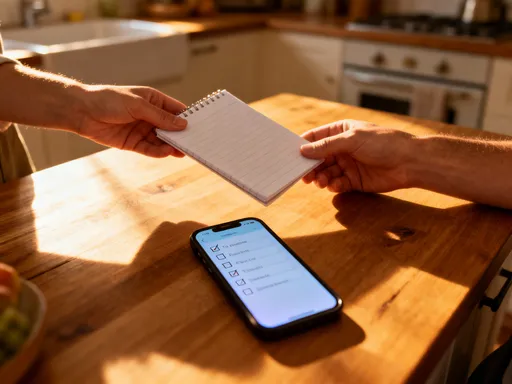
I found a user-friendly app that let us create a shared space for each event. No jargon, no complicated setup. Just a clean list where we could add tasks and assign them to specific people. I was nervous to suggest it—worried it would feel too formal or “bossy.” So I introduced it gently: “Hey, I found this little tool that might help us stop losing track of who’s doing what. Want to try it for the next picnic?” To my surprise, everyone agreed. Some were curious, others relieved. One friend even said, “Thank you—now I won’t have to pretend I saw the message about bringing drinks.”
Our first attempt was awkward. We over-assigned tasks. We forgot to set due dates. Someone marked “Buy napkins” as complete but actually just bought paper towels. But you know what? It still worked better than texting. For the first time, we could all see the plan in one place. No more digging through messages. No more guessing. And when someone completed a task, a little checkmark appeared—tiny, but oddly satisfying. The real breakthrough was how it balanced the load. Instead of one person chasing everyone, each of us had a clear, small role. No one was overwhelmed. No one felt left out. And the best part? We stopped blaming ourselves for forgetting. The tool held the memory, not our brains.
How the Tool Brought Back the Fun
Our first hangout using the tool was a game night at Lena’s place. I’ll never forget how different it felt. We arrived on time. The snacks were covered. The games were set out. No one was scrambling at the last minute. There was no “Wait, who was supposed to bring the wine?” or “Did we agree on 7 or 8?” The logistics had already happened, quietly and efficiently, in the background. And because we weren’t stressed, we were present. We laughed louder. We stayed later. We actually played the games instead of talking about how we should’ve planned better.
But the shift wasn’t just practical—it was emotional. I noticed how relaxed everyone seemed. No one was checking their phone constantly to reply to the group chat. No one looked guilty for forgetting something. There was a lightness in the room, a sense of ease that I hadn’t felt in years. At one point, Sarah looked around and said, “We should do this every week.” And for once, we all nodded like we actually meant it. That moment hit me: when the friction of planning disappears, the joy of being together returns.
It wasn’t just about that one night. The ripple effects were real. Because the experience was so positive, we were more excited to plan the next one. The momentum built. We started scheduling things further in advance. We tried new ideas—potlucks, day trips, even a group book club—because we knew the tool would help us manage it. The app didn’t make us more social. It removed the barriers that were making us less social. And in doing so, it gave us back something precious: time, energy, and emotional space to just enjoy each other.
Making It Work for Any Group Dynamic
One of my biggest worries was that the tool would feel too rigid, too “work-like” for a group of friends. But what I learned is that it’s only as formal as you make it. We customized it to match our vibe. We used fun labels like “Snack Captain” or “Vibe Curator” instead of “Task Owner.” We added inside jokes to task descriptions—like “Don’t forget the hummus, Jake (yes, again).” We set reminders to send gentle nags, not demands. One friend even recorded a voice note reminder that played when a task was due: “Hey, it’s me, reminding you to bring the dessert. Love you. Don’t let us down.” We laughed every time.
The flexibility was key. Some of us preferred checking the app once a day. Others liked getting notifications. We didn’t force anyone to adapt—we let the tool fit us, not the other way around. And when life happened—someone got sick, the weather changed, a last-minute conflict came up—we handled it calmly. Instead of a panic text spiral, someone just updated the task list: “Postponed to next weekend. Who still in?” It was simple, respectful, and inclusive. No one felt blindsided. No one felt responsible for managing the fallout.
What surprised me most was how it brought out the best in each of us. The friend who’s always late became amazing at reminders. The one who hates planning loved being assigned a fun role, like picking the music. The quiet one, who rarely spoke up in chats, started volunteering for tasks because it felt safer than typing into a loud group thread. The tool didn’t change who we were—it gave each of us a way to contribute in a way that felt natural. And that, more than anything, strengthened our bond.
Beyond Hangouts: Building Stronger Connections
I didn’t expect this little tool to do more than organize events. But over time, I noticed something deeper: our friendships were changing. When we started reliably following through on small promises—like bringing the chips or booking the table—it built trust. We began to see each other as dependable, not flaky. That trust spilled over into other areas. We started sharing more personal things—work stress, family news, dreams we hadn’t voiced before. We checked in more often, not because we had to, but because we wanted to.
Shared responsibility taught us consideration. When you know someone is counting on you for something small, you show up. And when you feel counted on, you feel valued. That mutual care created a new layer of closeness. We weren’t just friends who hang out—we were a team who supports each other. And that shift made us more present, more patient, more invested in each other’s happiness. I saw it when one friend went through a tough breakup. The rest of us didn’t just send texts—we organized a rotation to bring her meals, using the same tool we used for game nights. It felt natural, because we already had the habit of showing up.
What started as a fix for messy plans became a practice in friendship. It reminded us that strong relationships aren’t built in big moments—they’re built in small, consistent actions. Showing up with the dessert matters. Confirming the time matters. Doing your part, no matter how small, tells the other person: “I see you. I care.” And when everyone does that, the whole group thrives.
Starting Simple—Your Turn to Try
If you’re thinking, “This sounds great, but my group will never go for it,” I get it. I felt the same way. You don’t have to overhaul everything at once. Start small. Pick one upcoming event—your next coffee meetup, birthday gathering, or seasonal tradition. Create a simple task list with just two or three items: someone picks the date, someone books the spot, someone sends the address. Share it casually: “Hey, I made a quick list so we don’t lose track—thought it might help!” Keep it light. Keep it optional.
The goal isn’t control. It’s care. It’s about making it easier for everyone to show up, in every sense. You don’t need to be tech-savvy. You don’t need to be the group leader. You just need to care enough to try. And when you do, you might find—like I did—that the tool isn’t the real win. The real win is getting to laugh longer, stay later, and feel closer. It’s seeing your friends’ faces light up when they walk into a gathering that actually happened, because someone remembered the ice. It’s knowing that no matter how busy life gets, you’ve built a little system that protects your connection.
So go ahead. Try it. Not for perfection, but for presence. Because when planning stops being a chore, friendship gets its groove back. And honestly? You’re worth the ease. They’re worth the effort. And together, you’re worth every organized, joyful, on-time moment you can create.