More Than Just Screens: How Our Family’s Digital Space Keeps Everyone Connected and Active
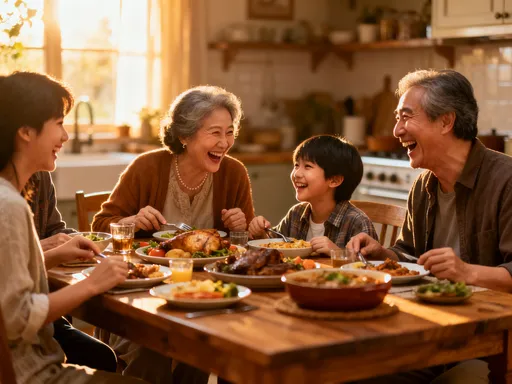
Family life moves fast—between work, school, and daily routines, staying truly connected can feel out of reach. But what if the technology we already use could bring us closer and help us move more together? I discovered that our shared digital space became more than storage for photos; it quietly transformed into a hub that gently encourages fitness, sparks joyful movement, and strengthens our bond—one small, active moment at a time. It wasn’t about adding more to our plates. It was about reimagining what was already there. And honestly? The change didn’t come from expensive gadgets or strict schedules. It came from saying yes to joy, memory, and togetherness—right where we already were: online, together.
The Chaos of Modern Family Life (And a Simple Realization)
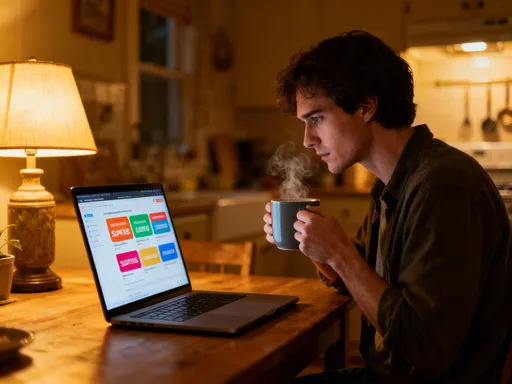
Let’s be real—most days feel like a race. You wake up, pack lunches, answer emails between school drop-offs, squeeze in a meeting, pick up groceries, help with homework, and by the time dinner’s on the table, everyone’s a little drained. And then, the screens come out. Kids on tablets, your partner scrolling through news, you checking messages while half-watching a show. It’s easy to feel like technology is pulling everyone apart, turning family time into parallel solo moments.
I used to worry about that too. I’d catch myself saying, “Ten more minutes, then devices go away!” or feeling guilty when I saw my daughter watching another dance video instead of reading. But one evening, something shifted. We were looking through an old photo album on our shared cloud drive—just scrolling, laughing at goofy outfits and backyard birthday parties—and my son said, “Remember when we all tried that yoga pose and Dad fell over?” We burst out laughing. And then he asked, “Can we do that again?”
That moment hit me: our screens weren’t the problem. It was how we were using them. What if, instead of seeing tech as a distraction, we could use it to reconnect? What if the same devices that sometimes isolate us could actually remind us to move, laugh, and be together? That night, I stopped fighting screen time and started rethinking it. I asked myself: Can our digital habits support both connection and health? The answer wasn’t a big overhaul. It was a gentle redirection—using what we already had to bring us closer, one photo, one message, one movement at a time.
Building a Shared Digital Space That Feels Like Home
When I say “shared digital space,” I don’t mean anything fancy. No custom apps, no complicated setup. Just a simple, private corner online where our family can share, smile, and stay close. We started with a cloud photo album—Google Photos, in our case—where anyone could add pictures. At first, it was just birthday cakes, vacation shots, and school events. But slowly, it became more alive.
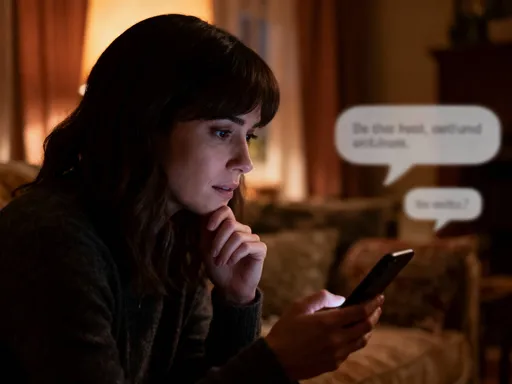
We began adding short videos—30 seconds of us dancing in the kitchen to a silly song, a quick clip of the dog chasing bubbles in the yard, my mom doing a little stretch routine in her garden. Then we added voice notes. My sister-in-law started sending little audio messages: “Hey team, I just walked around the block—sun’s out! Who’s joining me tomorrow?” My nephew recorded a goofy message: “Auntie, I did five jumping jacks for you!”
This space didn’t replace real life. It highlighted it. It became a living scrapbook, a digital hearth where memories warmed us and inspired new ones. And here’s the surprise: movement started showing up naturally. A video of us hiking last fall made someone say, “We should do that this weekend.” A photo of the kids building a fort with blankets turned into, “Let’s do it again and add a dance party!”
The beauty is in the simplicity. We didn’t need special tools. Just a shared login, a little intention, and the willingness to show up as we are. No filters, no perfection. Just real moments that reminded us: we’re in this together. And slowly, that feeling began to spill into our daily lives. The digital space didn’t just reflect our family—it started shaping it.
Turning Everyday Moments Into Gentle Movement Prompts
One of the biggest shifts happened when technology stopped being a distraction and started being a gentle nudge toward movement. Not in a pushy, “You haven’t stood up in two hours!” kind of way. Nothing stressful. Instead, it was memory and emotion that got us moving.
For example, Google Photos has a “Memories” feature. One morning, it showed us a video from last summer—me, my husband, and the kids biking through a tree-lined trail, laughing as the wind blew through our hair. My daughter saw it and said, “I miss that. Can we go biking this weekend?” That one clip sparked a family outing we might have otherwise forgotten. It wasn’t a reminder from a fitness app. It was a joyful echo from our past, pulling us into the present.
Another time, my mom sent a voice message: “I just finished my morning walk—felt so good! Send me a video of you stretching when you wake up, okay?” That small request turned into a sweet little ritual. Now, the kids love recording their “morning wiggle” videos—just 20 seconds of stretching, dancing, or jumping—and sending them to Grandma. She replies with a thumbs-up or a silly comment, and they giggle all morning.
These aren’t formal workouts. They’re emotional invitations. A photo of us playing tag in the backyard brings back the fun, not the effort. A video of my brother doing a goofy “victory dance” after mowing the lawn makes us want to move just to feel that joy. The technology doesn’t command. It whispers, “Remember how good this felt? Want to do it again?” And because it’s tied to love and memory, saying yes feels natural.
Fitness Made Family-Friendly: No Gear, No Pressure
I’ll admit—I used to think “fitness” meant structured workouts, matching outfits, and tracking every step. And honestly? That felt exhausting. Not just for me, but for my kids. The moment something feels like a chore, resistance kicks in. So we changed the goal. Instead of aiming for “exercise,” we aimed for “moving together, joyfully.”
We created what we call “movement moments”—tiny, no-pressure bursts of activity that anyone can join. No special clothes, no equipment, no rules. We started with music. I made a shared playlist called “Kitchen Dance Party” with upbeat songs the whole family loves. Now, when it plays, someone usually shouts, “Dance break!” and within seconds, we’re all moving—spoon as a microphone, toddler twirling, me shimmying while stirring dinner.
We also use short video clips to inspire mini-activities. I recorded a 90-second video of us doing simple stretches in the living room—nothing fancy, just reaching up, touching toes, side bends. I uploaded it to our shared space and labeled it “Evening Wind-Down.” Now, when the kids see it, they say, “Let’s do the bendy thing!” and we do it together. It takes less than two minutes, but it feels like a warm hug for our bodies.
Another favorite is “Backyard Yoga.” I found a free, gentle yoga video for families and adapted it into our own version. We don’t follow it exactly—we add animal poses, silly sounds, and sometimes end in a pile on the grass. The point isn’t perfection. It’s presence. And because it’s fun, the kids ask for it. “Can we do yoga outside today?” is now a regular question. The tech doesn’t track our progress or shame us for missing a day. It just makes showing up easy, light, and joyful.
Bridging Distances with Small, Active Connections
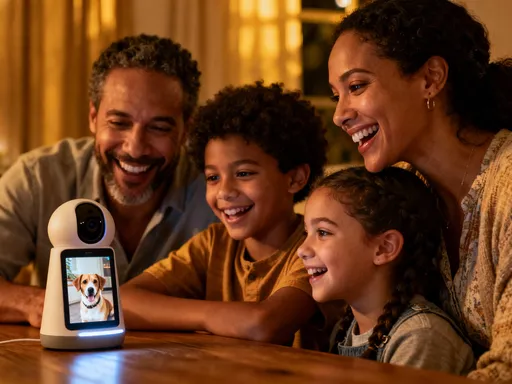
Not everyone in our family lives nearby. My sister’s in another state, my parents are a few hours away, and my cousin moved overseas last year. Distance used to mean fewer shared moments. But our digital space changed that. Now, even when we’re apart, we move together—in spirit, and sometimes in real time.
My cousin started it. She posted a short video of her morning walk: “It’s sunny here! Walking my street—can you walk yours and pretend we’re side by side?” That simple message turned into a weekly ritual. Now, every Sunday, we all go for a short walk—wherever we are—and record a quick clip to share. My mom walks her garden path, my nephew strolls around the block with his dad, and we walk our neighborhood trail. Then we upload the videos to our shared album. It’s not the same as being together, but it feels close.
My sister started a “Stretch & Smile” challenge. Every Friday, she sends a voice note: “I just stretched for five minutes—send me a photo of you moving!” Sometimes it’s a yoga pose, sometimes a dance move, sometimes just jumping jacks in pajamas. The kids love it. They run to grab their tablets to send their “challenge response.” It’s not about fitness goals. It’s about saying, “I’m thinking of you,” in a way that also makes you move.
These small, active check-ins do something powerful: they turn fitness into a shared value. It’s not “I’m working out to lose weight” or “I have to exercise.” It’s “We move because we care.” And that shift—from obligation to connection—makes all the difference. The tech doesn’t replace hugs or shared meals. But it keeps the thread of togetherness alive, even across miles.
Raising Kids Who See Movement as Joy, Not Chores
One of the most beautiful side effects of this journey has been watching how my kids view movement. They don’t see it as something they “have to do.” They see it as part of how we have fun, bond, and express ourselves. And that mindset didn’t come from rules or rewards. It came from what they’ve seen us do—how we’ve woven movement into our stories.
When we post a video of us dancing in the kitchen, they learn that movement is joyful. When Grandma sends a walking clip, they learn it’s something people of all ages do together. When we celebrate my son doing five push-ups during a game, they learn that small efforts are worth noticing. These moments add up. They’re not just moving more—they’re building a positive relationship with their bodies.
Now, my daughter often says, “Can we record this and send it to Auntie?” whether we’re playing catch, doing a silly stretch, or having a living room dance-off. She doesn’t wait to be told to move. She associates activity with sharing, laughter, and love. And that’s a gift no app can sell, but one we’ve grown together.
Even at school, she’s started inviting friends to “do the wiggle break” during recess. She taught them the little dance we do after homework. That ripple effect—seeing her share what we’ve built—fills my heart. Because it’s not just about fitness. It’s about confidence, joy, and connection. And she’s learning it all through the simple act of moving, recording, and sharing—just because it feels good.
A Calmer, Closer Family Life—One Click at a Time
Looking back, I realize we didn’t just build a digital space. We built a new rhythm for our family life. One that’s calmer, warmer, and more connected. We’re not perfect—we still have busy days, screen overload, and moments of disconnection. But now, we have a gentle way back. A photo, a voice note, a shared video—it’s often all it takes to bring us together again.
The guilt around screen time has faded. Because now, our devices aren’t just for work or entertainment. They’re tools for wellness, for love, for staying close. We’ve turned passive scrolling into active sharing. We’ve replaced isolation with invitation. And we’ve made movement a language of connection, not effort.
This journey didn’t require big investments or radical changes. Just small, consistent choices: adding a video to the shared album, sending a voice message, playing a dance song, responding to a walking challenge. Each one is a tiny act of care. And together, they’ve created a family culture where moving together feels as natural as sharing a meal or telling a story.
So if you’re feeling overwhelmed by the pace of life, or worried that screens are pulling your family apart, I want to offer this: don’t fight the tech. Invite it in. Let it remind you of the good times. Let it help you create new ones. Use it not to distract, but to connect. Because when we align our digital habits with our deepest values—love, joy, health, togetherness—we don’t just use technology. We transform it. And in doing so, we build a family life that feels lighter, brighter, and beautifully alive—one click at a time.