More than video calls: How simple tools quietly improved my work and life
Remember those chaotic days of spilled coffee, missed meetings, and working from bed in pajamas? I did too. Remote work started messy, but over time, small digital tools quietly reshaped my days. They didn’t just organize tasks—they gave me back time, calm, and space to breathe. This isn’t about fancy tech. It’s about how easy-to-use tools changed my routine, helped me focus, and let me show up better—for my work, my family, and myself. What began as a struggle slowly turned into a rhythm, one where I wasn’t just surviving but actually thriving. And the best part? None of it required a tech degree or hours of setup.
The Remote Work Chaos That Felt So Familiar
When I first started working from home, I thought it would be easy. No commute, no office small talk—just me, my laptop, and flexibility. But reality hit fast. My dining table became my desk, my dog barked during client calls, and I often forgot whether I’d eaten lunch. I remember one morning when my daughter walked into the frame during a team meeting, holding a toy dinosaur. Everyone laughed, but I felt a wave of embarrassment and guilt. Was I failing at both work and motherhood?
The lines between professional and personal life blurred completely. I’d answer emails while helping with homework, then feel too drained to really listen. My energy dipped by mid-afternoon, and I’d scroll mindlessly through my phone instead of taking a real break. I wasn’t alone—so many of us were thrown into this new way of working without any preparation. We were expected to stay productive while managing kids, meals, laundry, and the constant pull of home.
What made it harder was the pressure to appear “together.” I’d see social media posts of perfectly organized home offices with plants and matching mugs, and wonder why my life looked nothing like that. But behind the scenes, most of us were just trying to keep our heads above water. The truth is, remote work didn’t come naturally at first. It wasn’t laziness or poor time management—it was simply a lack of systems that fit real life.
And that’s when I realized: I didn’t need to be perfect. I needed tools that could handle the messiness, not add to it. I wasn’t looking for something complicated, just something that could quietly support me through the chaos. Something that didn’t demand my attention but instead gave me back a little peace.
Finding Calm in Simplicity: My First Helpful Tools
I started small. No big overhauls, no 10-step productivity systems. I downloaded a calendar app—nothing fancy—just one that let me color-code my day. Work blocks in blue, family time in green, personal moments in yellow. Suddenly, my day wasn’t a blur of tasks. I could see it. And that made all the difference.
Before, I’d rely on memory or sticky notes scattered across my kitchen counter. I’d forget meetings, double-book myself, or feel guilty for taking time for myself because I thought I “should” be working. But with a visual calendar, I stopped second-guessing. I could plan a walk after lunch without anxiety because I knew my work hours were protected. My family could see when I was busy and when I was free. It brought clarity to everyone, not just me.
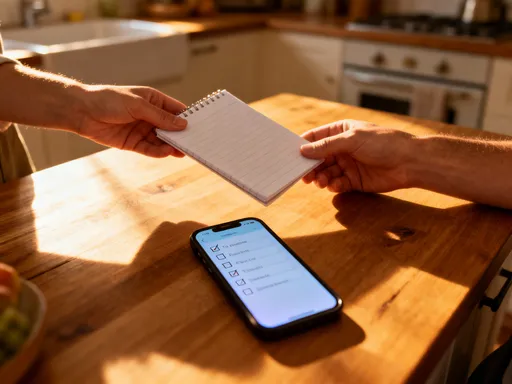
Next, I tried a simple to-do list app. No complicated project management features—just a place to jot down what I needed to do each day. The magic wasn’t in the app itself, but in the ritual. Every morning, I’d spend five minutes writing down three main tasks. Not ten, not twenty—just three. And when I checked them off, I felt a quiet sense of accomplishment. No pressure, no overwhelm.
What surprised me most was how much mental space this freed up. I wasn’t constantly trying to remember things. My brain wasn’t buzzing with “Did I reply to that email?” or “What’s on the grocery list?” Instead, I could focus on the moment—whether it was a work call, a conversation with my daughter, or just a few minutes of stillness with my tea. These tools didn’t change my life overnight, but they created a foundation of calm that made everything else easier.
Reclaiming Time for What Actually Matters
One of the biggest myths about productivity is that it’s about doing more. But for me, the real win wasn’t getting more done—it was getting back time to live. Once I had a system in place, I started noticing small pockets of time I hadn’t seen before. Fifteen minutes between meetings. Thirty minutes in the evening. Moments that used to disappear into scrolling or indecision.
I began using a focus timer app that blocked notifications during work sessions. It wasn’t strict—I could pause it if needed—but it helped me stay on track. And because I was more focused, I actually finished tasks faster. That meant I could close my laptop earlier and be fully present with my family. No more half-listening while typing an email.
I remember one evening, my son asked if I’d read him a story. Normally, I’d say, “Just five more minutes,” and then get pulled back into work. But that night, I said yes right away. We read two books, laughed at the funny voices, and he fell asleep with a smile. That moment wouldn’t have happened if I hadn’t set boundaries with my tools.
I also started scheduling “life blocks” in my calendar—just like work meetings. A 20-minute walk. A phone call with my sister. Even five minutes to sit quietly with my coffee. At first, it felt silly to schedule self-care. But I realized: if it’s not on the calendar, it often doesn’t happen. These small moments added up. I wasn’t just surviving the day—I was enjoying it.
The tools didn’t make me more disciplined. They made it easier to make better choices without thinking too hard. And that’s the kind of change that lasts.
Making Work Fit My Life, Not the Other Way Around
For years, I thought I had to fit into the structure of work. Early meetings, long hours, constant availability. But remote work gave me the chance to flip that. Why should my life revolve around my job? Why couldn’t my job adapt to my energy, my rhythm, my family’s needs?
I discovered tools that made this possible. One of my favorites? A voice note app. Instead of stopping what I was doing to type an idea, I could just speak it into my phone while walking the dog or stirring dinner. Later, I’d listen back and turn those thoughts into action items. It felt natural, not forced.
I also started using a meeting transcription tool. After a long call, I could read a summary instead of rewatching the whole thing. I no longer had to take frantic notes while trying to participate. I could just listen, engage, and review later. It reduced my mental load significantly.
And because I could work more efficiently, I started protecting my peak hours. I’m sharpest in the morning, so I reserved that time for deep work. Afternoons, when my energy dips, I saved for lighter tasks—emails, planning, quick calls. I stopped trying to be “on” all day. Instead, I worked with my body, not against it.
This shift wasn’t about laziness—it was about sustainability. I wasn’t burning out by 3 p.m. I wasn’t snapping at my kids because I was overwhelmed. I was working smarter, not harder. And that made me better at everything—my job, my parenting, my self-care.
Strengthening Connections Without the Exhaustion
Video calls were supposed to keep us connected, but for me, they often did the opposite. After back-to-back meetings, I’d feel drained, disconnected, and strangely lonely. The constant eye contact, the pressure to look “present,” the technical glitches—it all added up.
Then I found a messaging app that consolidated everything—work chats, family group texts, even grocery lists—into one place. No more switching between five different platforms. I could mute non-urgent threads and check them when I had time. It reduced the constant pings that used to fracture my attention.
I also started using a tool that summarized long email threads in a few sentences. Instead of spending 20 minutes reading every message, I could get the gist in seconds. That saved me time and mental energy. And because I wasn’t overwhelmed, I actually responded more thoughtfully.
But the most meaningful change was using a shared family calendar. I synced it with my partner and older kids. Birthdays, school events, doctor appointments—all in one place. No more “I didn’t know that was today!” moments. I even added fun things—“Movie night” or “Ice cream run”—so we could look forward to them.
One Sunday, the calendar reminded me it was my mother’s birthday. I called her, and she said, “I wasn’t expecting this.” We talked for an hour, and it reminded me how much she means to me. That small nudge from a simple tool strengthened a relationship I might have otherwise neglected.
Tech didn’t replace real connection—it protected it. It helped me show up for the people I love without feeling scattered or stressed.
Building Habits That Stuck—Without Willpower
I’ve tried all the habit trackers, the morning routines, the 30-day challenges. Most of them failed because they required too much effort. I’d start strong, then life would get busy, and I’d fall off. I blamed myself—“I’m not disciplined enough.” But the truth? I needed support, not shame.
Then I found tools that didn’t demand perfection—just consistency. A daily check-in app asked me one question each evening: “How did today go?” I could answer in one word or a full paragraph. No judgment, just reflection. Over time, I noticed patterns—when I felt most energized, when I needed rest, when I was pushing too hard.
Another tool sent a gentle wind-down reminder at 8 p.m.—a soft chime and a message: “Time to relax. Tomorrow will be better with rest.” It wasn’t pushy. It felt like a kind friend checking in. I’d dim the lights, put my phone away, and read a few pages. Slowly, this became my routine.
I also used a progress tracker for small goals—drinking more water, stretching daily, saying no to extra commitments. It didn’t show streaks or shame me for missing a day. Instead, it celebrated effort. After a week of consistent walks, it said, “You’re building something beautiful.” That kind of encouragement made me want to keep going.
These tools didn’t require willpower. They created an environment where good habits could grow naturally. And over time, I didn’t need the reminders as much—because the habits had become part of who I was.
The Quiet Confidence of Being in Control
Now, when I wake up, I don’t feel that old sense of dread or chaos. I open my calendar, review my three main tasks, and start the day with intention. My tools are ready, my boundaries are set, and I feel in control—not because I’ve done anything extraordinary, but because I’ve built a system that supports me.
I’m not perfect. Some days are still messy. My toddler still walks into my calls. I still forget things sometimes. But the difference is, I don’t spiral. I have tools that help me reset, refocus, and move forward. I don’t have to rely on memory or willpower. I have support.
What I’ve gained isn’t just productivity—it’s peace. The ability to focus when I need to, rest when I need to, and show up fully for the people I love. I feel calmer, clearer, and more like myself. And that, to me, is the real measure of success.
Technology doesn’t have to be overwhelming or complicated. When used with intention, it can be a quiet partner in our daily lives—helping us breathe easier, move slower, and live better. It’s not about doing more. It’s about being present, being kind to ourselves, and creating a life that feels good.
If you’re still feeling buried under emails, sticky notes, and guilt, I want you to know: you don’t need a complete overhaul. You just need one small tool to start. One color-coded block on your calendar. One to-do list with three items. One reminder to breathe.
Because sometimes, the smallest changes make the biggest difference. And you deserve a life that feels calm, connected, and truly yours.