From Isolated Play to Shared Joy: How VR Brought Our Family Together Again
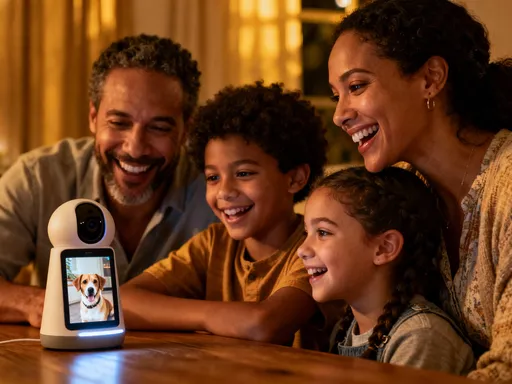
Imagine this: you’re sitting in the same room as your kids, but everyone is glued to their own screen, worlds apart. I felt that distance too—until we discovered a way to play, laugh, and grow together again. It wasn’t a vacation or a fancy gadget. It was virtual reality, not as a solo escape, but as a bridge. This is how our family rediscovered connection, one shared adventure at a time. We didn’t need to unplug to reconnect—we just needed to play together in a new way, and VR gave us the space to do it.
The Screens That Divided Us
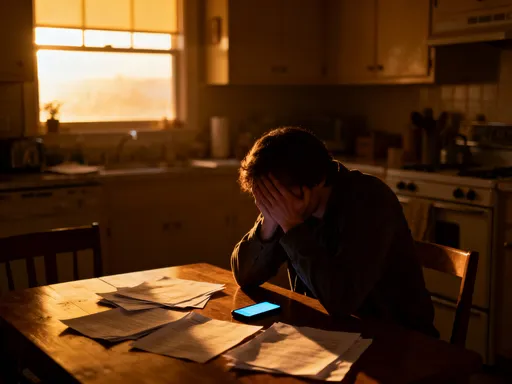
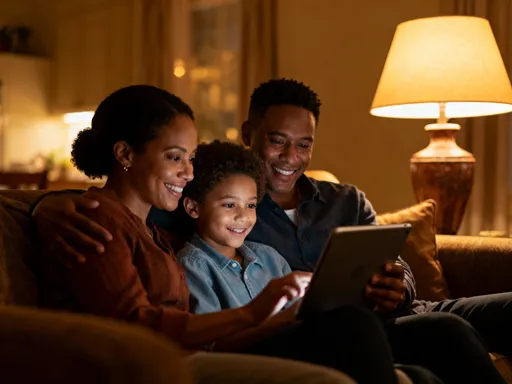
There was a time when our living room felt more like a collection of isolated islands than a shared home. My husband would be on the couch with a tablet, catching up on work emails. Our teenage son had his noise-canceling headphones on, deep in a multiplayer game on his console. Our younger daughter sat cross-legged on the rug, swiping through videos on her tablet, giggling to herself. And me? I was on my phone, scrolling through recipes, messages, news—anything to fill the quiet. We were all in the same room, but no one was really with anyone else.
It wasn’t that we didn’t love each other. We did—deeply. But something had shifted. The devices that were supposed to make life easier had quietly built walls between us. Even family movie nights started to feel like parallel viewing experiences, with everyone checking their phones during the credits. I remember one evening, I looked around and thought, We’re together, but we’re not connecting. That moment stayed with me. I began to wonder: if technology pulled us apart, could it also bring us back together?
I didn’t have an answer then. But I knew we needed a change. Not a drastic one—no screen bans or digital detoxes that would only cause tension. What we needed was something that felt natural, something that invited us to play, to laugh, to be present. I didn’t know it yet, but that’s exactly what virtual reality would offer us—not as an escape, but as an invitation to come closer.
My First Hesitant Step into VR
I’ll admit, my first impression of VR was… intimidating. When I thought of virtual reality, I pictured teenagers with high-end headsets, dodging zombies or racing spaceships at lightning speed. I imagined complex controls, motion sickness, and a steep learning curve. The idea of stepping into a digital world felt less like fun and more like homework. I’m not a gamer, I’d tell myself. This isn’t for me.
But then, a friend invited us over for a family game night—and surprise—she had a VR headset set up. “Don’t worry,” she said, “we’re starting with something simple.” She handed me a pair of controllers and helped me adjust the headset. What I saw took my breath away. I wasn’t in a post-apocalyptic world or a sci-fi battlefield. I was on a sunny beach, surrounded by dancing penguins. Yes, penguins. They were wiggling, spinning, and sliding around like they were in their own happy little dance party.
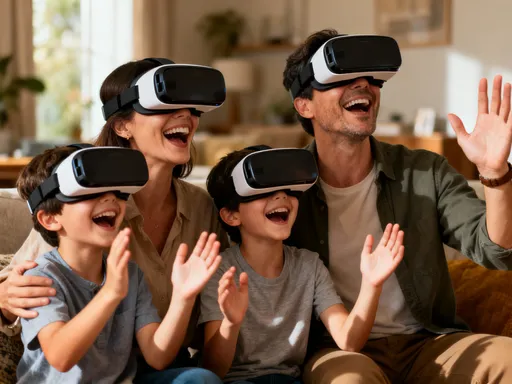
And then it happened—I laughed. Not a polite chuckle, but a full, belly laugh. I remember turning to my daughter, still wearing the headset, and saying, “Did you see that one do a backflip?!” She was laughing too. My son, who had been skeptical at first, jumped in next. Even my husband gave it a try, and we spent the next hour passing the headset around, cheering, teasing, and completely forgetting about time.
That night, something shifted. It wasn’t just the novelty of being inside a game. It was the way we looked at each other—eyes wide, mouths open, fully present. For the first time in a long while, we weren’t distracted. We were together. And I realized: maybe VR wasn’t about escaping real life. Maybe it was about finding a new way to live it—together.
Finding the Right Fit for All Ages
After that first experience, I was curious—but cautious. I didn’t want to spend hundreds on a system that would end up collecting dust. I also didn’t want something too intense for my younger daughter or too complicated for my parents, who sometimes visit. So I did my research. I read reviews, watched demos, and even visited a tech store to try a few headsets in person.
What I learned was that not all VR is created equal—especially when it comes to families. Some systems require powerful computers, complex setups, and a lot of space. Others are designed for fast-paced, competitive gaming that could be overwhelming for younger kids or uncomfortable for older adults. But then I found a standalone headset—one that didn’t need wires, a PC, or a console. It was lightweight, easy to set up, and had a library of family-friendly experiences. That was the one we brought home.
We started slow. The first few sessions were short—just 10 to 15 minutes—so no one got dizzy or overwhelmed. We chose experiences with simple controls: pointing, pressing a button, maybe stepping to the side. No fast movements, no jump scares, no combat. One of our first games was a virtual pottery studio. We took turns shaping digital clay, laughing at our lopsided bowls and wobbly vases. Another was a music game where we played instruments in a cartoon band—my daughter on the drums, me on the keyboard, my son pretending to be a rock star with a virtual guitar.
What mattered wasn’t how good we were. It was that we were all doing it together. Even Grandma got in on the fun during her visit. She tried a gentle nature walk through a virtual forest, complete with birdsong and a babbling brook. “It’s like being in the park,” she said, smiling. “But without the aches.” That moment told me we’d found the right fit—not just a gadget, but a way to include everyone.
Turning Play into Progress
Here’s something I didn’t expect: VR didn’t just give us fun. It started giving us feedback. Not in a stressful, report-card kind of way—but in gentle, encouraging ways that made us more aware of ourselves and each other. One game tracked how much we moved during play. Another showed how well we worked together to solve puzzles. And one of our favorites? A teamwork challenge where we had to high-five our avatars in the virtual world. The game kept count. “We got 12 high-fives this round!” my daughter would announce proudly.
At first, I thought these were just cute features. But over time, I noticed something deeper. My son, who used to slump on the couch after school, was more active. He didn’t realize he was stretching, balancing, and moving his arms—because he was too busy “deflecting asteroids” in a space adventure. My daughter, who sometimes struggled with coordination, started showing more confidence in her movements. And me? I realized I was standing up straighter, breathing deeper, and smiling more—without even trying.
We began to see these little stats not as numbers, but as signs of progress. We weren’t just playing—we were growing. One evening, after a round of a balance game, my husband said, “You know, I haven’t felt this steady on my feet since I started physical therapy last year.” It hit me: VR wasn’t replacing real-world health efforts. It was supporting them. It was making wellness feel light, joyful, and shared.
And because the data was visible—simple scores, progress bars, achievement badges—we could celebrate it together. “Look, Mom, I beat my last score!” became a common phrase at our house. These weren’t just game wins. They were quiet victories in our family’s journey toward better movement, better mood, and better connection.
A New Way to Celebrate Small Wins
There’s a moment every parent remembers—the first time your child rides a bike without training wheels, the first time they tie their shoes, the first time they read a sentence on their own. These milestones aren’t just about skill. They’re about courage. Effort. Belief.
VR started giving us new kinds of milestones—ones we didn’t expect. I’ll never forget the first time my daughter completed a virtual obstacle course on her own. She had to jump over digital logs, duck under swinging ropes, and balance across a narrow beam—all while wearing the headset. I watched her from the side, heart in my throat, ready to catch her if she stumbled. But she didn’t. She made it all the way through.
When she took off the headset, her face was glowing. “I did it, Mom! I did it all by myself!” I hugged her tight. The headset couldn’t capture tears, but I could feel them—mine and hers. That moment felt just as big as her first bike ride. Because it wasn’t about the game. It was about what it represented: persistence. Confidence. Growth.
We started using these achievements as conversation starters. “How did you stay so focused?” I’d ask. “What helped you keep going when it got hard?” These weren’t lectures. They were real talks—about patience, about trying again, about believing in yourself. And because we were talking about a shared experience, it didn’t feel like parenting. It felt like connecting.
Even my husband got in on it. After he completed a virtual gardening game—planting digital flowers, watering them, watching them bloom—he said, “You know, I used to think I didn’t have a green thumb. But this made me feel like I could grow something real.” That’s when I realized: VR wasn’t just building skills. It was building belief.
When Tech Becomes a Family Ritual
Now, every Saturday morning starts the same way. No one has to ask. No one argues. The kids know it’s “VR time.” We take turns—everyone gets a session, and the others watch, cheer, or give tips. Sometimes we play together in the same virtual world. Other times, we take turns exploring different experiences.
We’ve created little traditions. One of our favorites is “Virtual Camping.” We put on the headsets and find ourselves in a peaceful forest at dusk. There’s a campfire, crickets chirping, and a sky full of stars. We “sit” around the fire, tell stories, and even roast virtual marshmallows. It’s not the same as a real camping trip—but it’s something. And on rainy weekends or when we’re too tired to plan an outing, it’s exactly what we need.
Another favorite is our “Family Cooking Challenge.” We enter a cartoon kitchen and have to work together to prepare a meal—chopping veggies, stirring pots, flipping pancakes—all with exaggerated, silly animations. It’s chaotic, it’s loud, and it’s hilarious. But it’s also teamwork. We learn to coordinate, to communicate, to laugh when someone “burns” the soup.
What’s changed is not just what we do—but how we feel. The headset isn’t a distraction anymore. It’s a signal: It’s time to be together. It’s become a ritual, like Sunday breakfast or bedtime stories. And just like those traditions, it’s something we look forward to—a moment where we pause, connect, and just be a family.
Rebuilding Connection One Virtual Moment at a Time
I won’t pretend that VR fixed everything. We still have busy days, tired moments, and the occasional argument over screen time. But what’s different now is that we have a new way to come back to each other. When life feels heavy, we don’t always need a big solution. Sometimes, all we need is 20 minutes in a virtual world where we can dance with penguins, camp under digital stars, or cook a silly meal together.
What I’ve learned is this: technology doesn’t have to divide us. It can unite us—if we use it with intention. VR didn’t replace our real life. It enhanced it. It gave us a shared language of play, a new way to celebrate progress, and a space where everyone—no matter their age or ability—could belong.
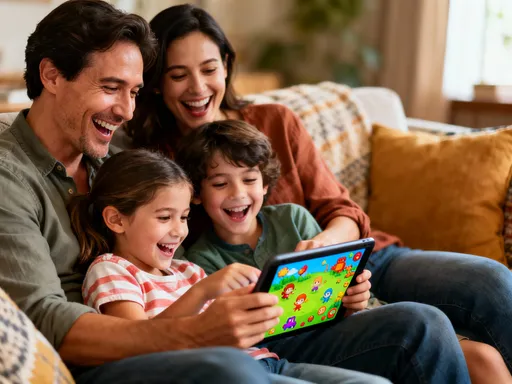
Today, I see more eye contact. More laughter. More high-fives—both in the game and in real life. My kids ask me about my day not because they have to, but because they want to. And when I see my husband quietly watching our daughter celebrate her latest VR win, I know we’re not just playing. We’re healing. We’re growing. We’re reconnecting.
Virtual reality didn’t bring us together because it’s flashy or futuristic. It worked because it reminded us of something simple: that joy is best when shared. That presence matters more than perfection. And that sometimes, the most human thing we can do is laugh together—even if we’re wearing headsets, dancing with digital penguins, and pretending we’re on a beach that doesn’t exist.
So if you’re sitting in a room full of screens, feeling miles apart from the people you love, I want to tell you this: there’s hope. You don’t have to throw out your devices. You don’t have to force family time that feels like a chore. You just need to find a way to play—together. And if you’re open to it, VR might just be the unexpected bridge that brings your family back to each other, one shared smile at a time.