How I Choose Luxury That Lasts — Smart Picks Without the Regret
So you’re ready to splurge on something luxurious — congrats. But here’s the real talk: not every flashy purchase pays off. I’ve been there, lured by labels, only to realize I overpaid for underperformance. This isn’t about flexing; it’s about filtering. What makes a luxury buy truly worth it? Spoiler: It’s not the price tag. Let’s break down how to pick high-end products that deliver real value, long-term satisfaction, and zero buyer’s remorse — because luxury should elevate your life, not drain it.
The Mindset Shift: From Wanting Luxury to Earning It
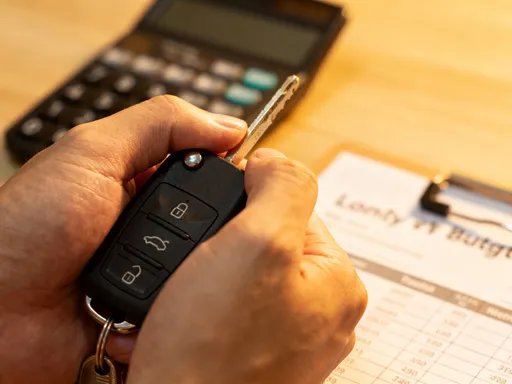
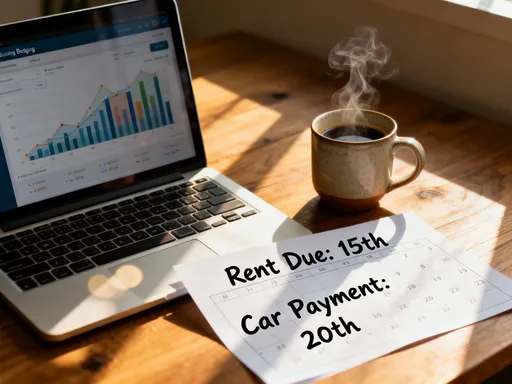
Luxury is often sold as a right, a reward for hard work, or a symbol of success. But the real power lies in shifting from desire to discipline. True luxury is not something you chase in moments of emotion — it’s something you earn through financial clarity and intention. When you approach high-end purchases as milestones rather than impulses, the experience changes completely. Instead of asking, “Can I afford this?” the better question becomes, “Have I prepared for this?” This subtle shift separates lasting satisfaction from fleeting excitement.
Financial readiness is the foundation of meaningful luxury spending. Many people buy expensive items during times of stress, celebration, or transition — moments when emotions run high. A new job, a personal loss, or even a birthday can trigger the urge to treat oneself. But treating luxury as an emotional release often leads to regret. Studies show that purchases made during emotional peaks are more likely to be returned or resented within months. In contrast, when luxury is delayed — saved for, researched, and planned — it becomes a symbol of achievement, not escape. That sense of earned value deepens appreciation and reduces the risk of buyer’s remorse.
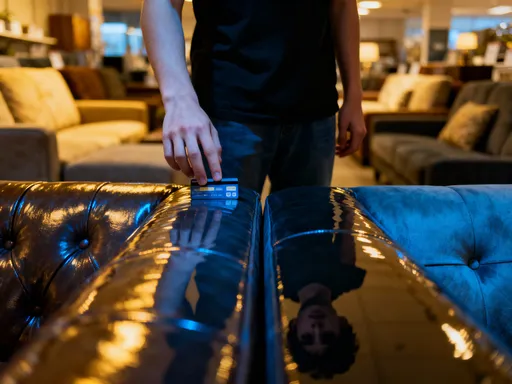
Delayed gratification isn’t just a buzzword — it’s a financial superpower. Consider two individuals: one buys a designer handbag the moment it launches, financing it with a credit card. The other saves for six months, pays in full, and waits for a pre-owned version in excellent condition. Both own the same item, but their emotional and financial experiences differ dramatically. The first may feel initial excitement, followed by stress over debt. The second feels pride, confidence, and control. Over time, the second approach builds stronger financial habits and a deeper connection to what they own. This is the essence of strategic acquisition — buying not because you can, but because you’ve earned it.
Defining True Value: Beyond the Brand Name
The allure of a luxury brand is powerful. Names like Rolex, Hermès, or Porsche carry weight — but not all luxury items hold their value equally. Some appreciate, some stabilize, and many depreciate rapidly. The key to making a smart luxury purchase lies in understanding what drives real value beyond the logo. It’s not the name stitched on the bag or engraved on the watch face — it’s the craftsmanship, materials, heritage, and design integrity that determine whether an item will endure.
Take two handbags, for example. One is from a trendy designer with a strong social media presence but limited production history. The other is a classic model from a house known for generational craftsmanship. On the surface, they may look similar — same price point, similar leather, comparable size. But within two years, the first may lose 40% of its value, while the second holds steady or even gains. Why? Because the second is built with time-tested techniques, rare materials, and a legacy of demand. It’s not just a bag — it’s an heirloom in the making.
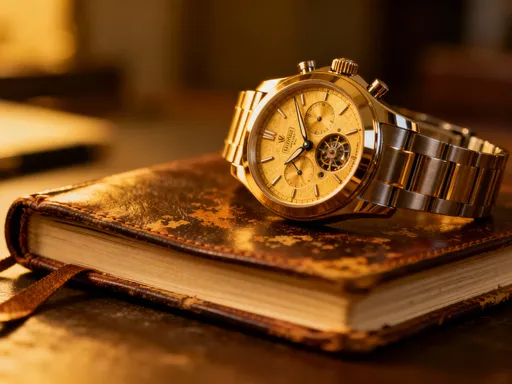
Materials matter more than marketing. A watch made with sapphire crystal, stainless steel, and a mechanical movement will outlast one with mineral glass, base metals, and a quartz battery — even if the latter has a more recognizable name. Similarly, a leather jacket crafted from full-grain hides with hand-stitched seams will age gracefully, developing a rich patina over time. The same jacket made from bonded leather and glued seams will crack and peel within a few years. These differences aren’t always visible at first, but they define long-term performance and resale potential.
Scarcity and demand cycles also play a role. Limited editions, seasonal releases, and discontinued models often command higher prices on the secondary market. But scarcity alone isn’t enough — it must be paired with consistent demand. A rare item from a fading brand may not retain value, while a widely desired model from a stable house can become a financial asset. The most valuable luxury items are those that balance exclusivity with enduring appeal. They’re not just rare — they’re relevant.
The Research Game: How to Vet Before You Buy
No luxury purchase should be made without thorough research. This isn’t about being skeptical — it’s about being smart. The most informed buyers are the ones who avoid costly mistakes and enjoy the highest satisfaction. The process starts long before stepping into a boutique or clicking “buy now.” It begins with gathering information from reliable sources, testing options in person, and understanding the nuances that separate good from great.
Expert reviews are a critical starting point. Independent watch journalists, fashion editors, and product testers often provide detailed breakdowns of construction, durability, and performance. They examine stitching, movement accuracy, fit, and finish — details that marketing materials rarely highlight. For example, a luxury watch review might note that a model uses a third-party movement instead of an in-house one, which can affect long-term serviceability and value. Similarly, a handbag analysis might reveal that a brand has recently switched to lower-grade leather, even if the design looks unchanged. These insights help you see beyond the surface.
Resale platforms like Chrono24, Vestiaire Collective, or Rebag offer another layer of intelligence. By browsing pre-owned listings, you can see how well an item ages, how much it depreciates, and what buyers are willing to pay. If a five-year-old model sells for 80% of its original price, that’s a strong signal of enduring value. If it’s listed at 30%, that’s a red flag. You can also spot common flaws — peeling hardware, fading linings, or worn straps — that aren’t visible in new product photos. This real-world data is invaluable.
Engaging with owner communities adds a personal dimension. Online forums, social media groups, and brand-specific clubs allow you to hear from people who’ve lived with these items for years. They’ll tell you which watches are comfortable for all-day wear, which bags are prone to scratches, and which brands offer the best service. You’ll learn that a certain model looks stunning in photos but is too heavy to carry daily, or that a “water-resistant” watch shouldn’t be worn in the shower. These lived experiences are impossible to replicate in a sales pitch.
Finally, always test in person when possible. A jacket may look perfect online, but feel stiff or ill-fitting in reality. A watch might seem the right size on paper, but feel too large or too light on the wrist. Try before you buy. Sit with it, wear it, use it. Notice how the zipper feels, how the clasp closes, how the leather moves. These sensory details reveal quality in ways specs never can. And if you can’t access the item physically, ask for detailed photos, videos, and condition reports. The extra time spent researching pays dividends in confidence and satisfaction.
Resale Reality Check: Will It Keep Its Power?
One of the smartest ways to evaluate a luxury purchase is to ask: Will this hold its value? This isn’t about treating every buy like an investment — most shouldn’t be. But understanding resale dynamics helps you avoid items that vanish in value the moment you walk out the door. Some luxury goods act like assets; others are pure consumption. Knowing the difference protects your wallet and increases long-term satisfaction.
Take watches, for example. Certain models from Rolex, Patek Philippe, and Audemars Piguet consistently command high prices on the secondary market, often exceeding retail. Why? Because they combine precision engineering, limited availability, and strong brand loyalty. A Rolex Submariner released today might sell for $10,000, but in five years, it could be worth $15,000 or more — especially if it’s unworn, with box and papers. In contrast, a similarly priced watch from a less established brand might lose half its value in the same period.
Handbags follow a similar pattern. Classic styles like the Hermès Birkin or Chanel Flap Bag are known for holding or increasing in value. They’re made in limited quantities, use premium materials, and have waiting lists that span years. Even pre-owned versions in good condition can sell for more than retail. On the other hand, trendy bags from fast-luxury brands often depreciate quickly. They may be beautiful, but they’re not built to last or desired long-term.
Sneakers, too, have a resale ecosystem. Limited-edition collaborations from Nike, Adidas, or Jordan Brand can triple in value within weeks. But mass-produced models from the same brands may never recoup their cost. The key factors? Rarity, cultural relevance, and condition. A sneaker worn daily will lose value fast, while one kept pristine with original packaging can become a collectible.
Documentation and provenance matter. A luxury item with its original box, warranty card, receipt, and service history will always command a higher resale price. These elements prove authenticity and care. Without them, buyers are hesitant, and prices drop. This is especially true for watches and fine jewelry, where counterfeits are common. Keeping everything — even the dust bag — is a small habit with big financial implications.
Lifestyle Fit: Does It Serve You — or Just Impress?
Perhaps the most overlooked factor in luxury buying is practicality. An item can be beautiful, rare, and valuable — but if it doesn’t fit your life, it’s wasted. The most expensive watch in the world is meaningless if it never leaves the safe. The most coveted handbag is useless if it’s too formal for your daily routine. True value comes not from ownership, but from use.
Ask yourself: Will I actually use this? Not once, not twice, but regularly? A woman who works from home may love the idea of a silk blouse, but if she only wears it during rare video calls, is it worth the price? A parent who drives a minivan may admire a luxury sedan, but if it can’t fit car seats, it’s not functional. These mismatches lead to underused items and quiet regret.
Emotional return on investment (EROI) is just as important as financial return. A $2,000 coat that you wear 100 times a year delivers far more joy per dollar than a $5,000 dress worn once. Frequency of use amplifies value. The same principle applies to accessories, shoes, and even cars. The items we use most often become part of our identity — they feel familiar, comfortable, and meaningful. The ones that sit in closets or drawers feel like mistakes.
Consider your environment. If you live in a rainy climate, a suede jacket may look elegant but prove impractical. If you travel frequently, a lightweight, durable suitcase matters more than a designer tote. Luxury should enhance your life, not complicate it. A well-chosen item solves a problem, fits your routine, and brings daily pleasure. That’s the hallmark of a purchase that lasts — not just in material, but in meaning.
Timing the Purchase: Patience Pays Off
Luxury thrives on urgency. Brands create limited editions, seasonal drops, and “while supplies last” messaging to drive immediate action. But the smartest buyers resist the rush. They know that patience often leads to better deals, better conditions, and better outcomes. Waiting doesn’t mean missing out — it means gaining power.
Seasonal sales, holiday promotions, and end-of-year clearances can offer significant discounts on luxury goods. While full-price buying is common, many high-end retailers do discount — quietly. Authorized dealers may offer private sales to loyal customers. Department stores like Neiman Marcus or Saks often run promotions with extra savings on designer items. These opportunities require monitoring, but the savings can be substantial.
Pre-owned markets also reward patience. A brand-new handbag might cost $8,000, but a gently used one in excellent condition could be found for $5,500 — with the same authenticity and beauty. Waiting for the right pre-owned version can save thousands without sacrificing quality. The same applies to watches, jewelry, and even luxury apparel.
Restocks and reissues are another opportunity. Some items sell out instantly, then return months later. Others are re-released in new colors or materials. Buyers who wait often get the same satisfaction at lower prices or in better condition. And building relationships with boutique staff or authorized dealers can give you early access — not through status, but through consistency and respect.
Resisting FOMO — the fear of missing out — is crucial. Brands manipulate scarcity to create artificial demand. But most luxury items aren’t truly rare. They’re produced in numbers large enough to meet demand over time. The item you “missed” today may reappear tomorrow. The real loss isn’t missing a purchase — it’s making a hasty one. Patience isn’t passive; it’s strategic.
The Final Filter: Long-Term Joy vs. Short-Term Thrill
At the heart of every luxury decision is a simple question: Will this bring lasting joy? Not excitement, not envy, not validation — but genuine, enduring satisfaction. The thrill of buying fades fast. The pride of owning something meaningful lasts. This is the final filter, the one that separates impulse from intention.
Reflect on your past purchases. Which ones still make you smile? Which ones feel like wise choices? Chances are, they’re not the flashiest or most expensive. They’re the ones that fit your life, that you use often, that age well. Maybe it’s a wool coat that keeps you warm for a decade. A watch that marks milestones. A bag that travels with you, showing wear not as damage, but as proof of use.
Conversely, think of the items that felt hollow after a few weeks. The shoes too uncomfortable to walk in. The dress too formal for any occasion. The gadget replaced by a newer model. These are not failures of taste — they’re lapses in alignment. They were bought for the moment, not the long term.
An emotional audit can guide future decisions. Before buying, ask: How will I feel about this in six months? In three years? Will it still serve me? Will I still love it? If the answer is uncertain, wait. If the answer is yes, proceed with confidence. True luxury isn’t about the price, the brand, or the photo op. It’s about the quiet satisfaction of owning something that lasts — in quality, in use, and in meaning.
Luxury That Works for You — Not Against You
Choosing luxury wisely isn’t about denying desire — it’s about aligning it with wisdom. When you focus on quality, utility, and long-term value, every high-end purchase becomes a step toward smarter financial behavior. This isn’t about spending less — it’s about spending better. And in the end, the most powerful statement luxury can make is not how much you paid, but how well it served you.
The most enduring luxury isn’t found in price tags or labels. It’s in the peace of mind that comes from knowing you bought well. It’s in the confidence of wearing, using, and enjoying something that was chosen with care. It’s in the freedom from regret, the absence of debt stress, and the presence of lasting joy.
Luxury, at its best, should elevate your life — not complicate it. It should reflect your values, support your routine, and stand the test of time. When you buy with intention, research thoroughly, and prioritize fit over fashion, you transform luxury from a risk into a reward. You stop chasing trends and start building a collection of meaningful possessions — each one a testament to thoughtful choice.
In a world that sells luxury as instant gratification, the real power lies in patience, clarity, and purpose. The items that last are not the ones with the loudest branding, but the ones with the quietest confidence. They don’t shout — they endure. And that, more than anything, is the mark of a purchase that truly pays off.